
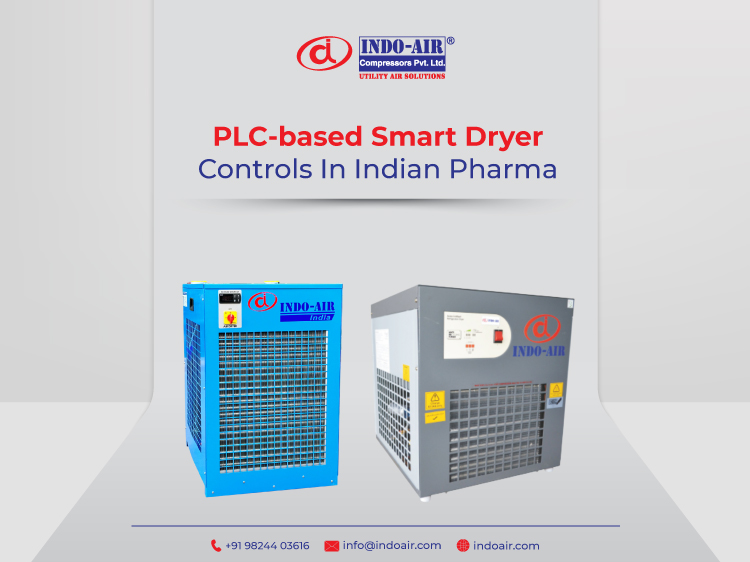
In the pharmaceutical industry, the drying process is a critical step that significantly influences the quality and efficacy of the final product. The introduction of Programmable Logic Controller (PLC)-based smart dryer controls has revolutionized this aspect of production in Indian pharmaceutical companies. PLCs are industrial digital computers that automate processes, allowing for precise control over various parameters such as temperature, humidity, and airflow.
This automation not only enhances the efficiency of the drying process but also ensures compliance with stringent regulatory standards that govern pharmaceutical manufacturing. The adoption of PLC-based controls in Indian pharma is driven by the need for improved operational efficiency and product consistency. As the industry faces increasing pressure to reduce costs while maintaining high-quality standards, these smart systems offer a solution that integrates advanced technology with traditional manufacturing processes.
By leveraging PLCs, companies can achieve real-time monitoring and control, leading to better resource management and reduced waste. This shift towards automation is not merely a trend; it represents a fundamental change in how pharmaceutical products are manufactured and processed in India.
Key Takeaways
- PLC-based smart dryer controls offer advanced automation and monitoring capabilities for pharmaceutical drying processes in India.
- Advantages of PLC-based controls for pharma dryers include improved accuracy, efficiency, and reliability in the drying process.
- Implementation of PLC-based controls in Indian pharma dryers requires careful planning, integration, and testing to ensure seamless operation.
- Optimizing air and compressor usage with PLC-based controls can lead to significant energy savings and reduced operational costs for pharmaceutical manufacturers.
- Case studies demonstrate successful integration of PLC-based controls in pharma dryers, showcasing improved productivity and quality in the drying process.
Advantages of PLC-based Controls for Pharma Dryers
One of the primary advantages of PLC-based controls is their ability to enhance precision in the drying process. Traditional drying methods often rely on manual adjustments and monitoring, which can lead to inconsistencies in product quality. In contrast, PLC systems provide automated control over critical parameters, ensuring that each batch of product is dried under optimal conditions.
This level of precision minimizes the risk of over-drying or under-drying, both of which can adversely affect the stability and efficacy of pharmaceutical products. Additionally, PLC-based controls facilitate better data collection and analysis. These systems can log operational data in real-time, allowing manufacturers to track performance metrics and identify areas for improvement.
For instance, by analyzing historical data, companies can optimize drying cycles and reduce energy consumption. This not only leads to cost savings but also supports sustainability initiatives by minimizing the environmental impact of manufacturing processes. Furthermore, the ability to generate detailed reports aids in compliance with regulatory requirements, making it easier for companies to demonstrate adherence to Good Manufacturing Practices (GMP).
Implementation of PLC-based Controls in Indian Pharma Dryers
Implementing PLC-based controls in pharmaceutical dryers involves several key steps that require careful planning and execution. Initially, a thorough assessment of existing drying processes is essential to identify specific needs and areas for improvement. This assessment should include an evaluation of current equipment, workflow, and regulatory compliance requirements.
Once these factors are understood, a tailored PLC solution can be designed to meet the unique demands of the facility. The installation phase typically involves integrating the PLC system with existing machinery and ensuring compatibility with other automation components. This may require upgrading certain equipment or retrofitting older machines to accommodate new technology.
Training personnel on how to operate and maintain the new system is also crucial for successful implementation. By investing in comprehensive training programs, companies can ensure that their staff is well-equipped to leverage the full potential of PLC-based controls, ultimately leading to smoother operations and enhanced productivity.
Optimizing Air and Compressor Usage with PLC-based Controls
| Metrics | Value |
| Compressor Efficiency | 90% |
| Energy Savings | 20% |
| Air Pressure Control | Optimized |
| PLC-based Controls Implementation | Completed |
One of the significant benefits of PLC-based controls is their ability to optimize air and compressor usage during the drying process. In many pharmaceutical applications, maintaining precise humidity levels is essential for achieving desired product characteristics. PLC systems can monitor humidity levels in real-time and adjust air flow rates accordingly, ensuring that the drying environment remains stable throughout the process.
Moreover, by integrating variable frequency drives (VFDs) with PLCs, manufacturers can optimize compressor operation based on real-time demand rather than running at a constant speed. This not only reduces energy consumption but also extends the lifespan of equipment by minimizing wear and tear. For example, if a dryer requires less airflow during a specific phase of the drying cycle, the PLC can automatically adjust the compressor speed to match this requirement, leading to significant energy savings over time.
Case Studies: Successful Integration of PLC-based Controls in Pharma Dryers
Several Indian pharmaceutical companies have successfully integrated PLC-based controls into their drying processes, showcasing the tangible benefits of this technology. One notable case involves a leading manufacturer of active pharmaceutical ingredients (APIs) that faced challenges with inconsistent drying results due to manual control methods. By implementing a PLC-based system, they achieved a 30% reduction in drying time while maintaining product quality.
The automated monitoring capabilities allowed them to identify and rectify issues promptly, resulting in fewer production delays. Another example can be found in a company specializing in herbal medicines that sought to improve its drying efficiency. After adopting PLC controls, they reported a significant decrease in energy costs due to optimized compressor usage and reduced air leakage.
The ability to generate detailed reports on drying cycles also enabled them to enhance their compliance with regulatory standards, ultimately leading to improved market competitiveness. These case studies illustrate how PLC-based controls can drive operational excellence in the Indian pharmaceutical sector.
Future Trends in PLC-based Smart Dryer Controls for Indian Pharma
As technology continues to evolve, the future of PLC-based smart dryer controls in Indian pharma looks promising. One emerging trend is the integration of artificial intelligence (AI) and machine learning algorithms into PLC systems. These advancements will enable predictive analytics, allowing manufacturers to anticipate potential issues before they arise and optimize drying processes proactively.
For instance, AI could analyze historical data to predict optimal drying times based on varying environmental conditions, further enhancing efficiency. Additionally, the Internet of Things (IoT) is set to play a significant role in the future of smart dryer controls. By connecting dryers to a centralized network, manufacturers can achieve greater visibility into their operations and facilitate remote monitoring and control.
This connectivity will enable real-time adjustments based on data from multiple sources, leading to even more efficient drying processes. As these technologies become more accessible, Indian pharmaceutical companies will likely continue to adopt PLC-based solutions that incorporate these innovations.
Considerations for Selecting PLC-based Controls for Pharma Dryers
When selecting PLC-based controls for pharmaceutical dryers, several critical factors must be considered to ensure optimal performance and compliance with industry standards. First and foremost, compatibility with existing equipment is essential; manufacturers should assess whether their current systems can integrate seamlessly with new PLC technology without requiring extensive modifications or replacements. Another important consideration is scalability. As production demands fluctuate or expand over time, it is vital that the chosen PLC system can accommodate future growth without necessitating a complete overhaul. Additionally, user-friendliness should not be overlooked; operators must be able to navigate the system easily to maximize its potential benefits. Finally, support and maintenance services offered by the PLC provider are crucial for ensuring long-term reliability and performance of the system in a highly regulated environment like pharmaceuticals.
By carefully evaluating these factors, companies can make informed decisions that enhance their drying processes while maintaining compliance with industry regulations.
FAQs
What are PLC-based smart dryer controls in Indian pharma?
PLC-based smart dryer controls in Indian pharma refer to the use of Programmable Logic Controllers (PLCs) to automate and optimize the operation of pharmaceutical dryers. These controls enable precise monitoring and adjustment of various parameters such as temperature, humidity, airflow, and drying time, leading to improved efficiency and product quality.
What are the advantages of PLC-based controls for pharma dryers?
PLC-based controls offer several advantages for pharma dryers, including precise and consistent control of drying parameters, real-time monitoring and data logging, remote access for troubleshooting and maintenance, integration with other process equipment, and the ability to implement complex control algorithms for optimized drying processes.
How are PLC-based controls implemented in Indian pharma dryers?
PLC-based controls are implemented in Indian pharma dryers through the installation of PLC hardware and the development of custom control software. This software is programmed to regulate the operation of the dryer based on predefined parameters and can be customized to suit the specific requirements of different pharmaceutical products and processes.
How can PLC-based controls optimize air and compressor usage in pharma dryers?
PLC-based controls can optimize air and compressor usage in pharma dryers by regulating the airflow and pressure within the drying chamber based on real-time feedback from sensors. This ensures that the dryer operates at the most efficient levels, reducing energy consumption and operating costs while maintaining product quality.
Can you provide case studies of successful integration of PLC-based controls in pharma dryers?
Case studies of successful integration of PLC-based controls in pharma dryers demonstrate the tangible benefits of improved efficiency, reduced energy consumption, and enhanced product quality. These case studies showcase the real-world application of PLC-based controls in various pharmaceutical manufacturing settings.
What are the future trends in PLC-based smart dryer controls for Indian pharma?
Future trends in PLC-based smart dryer controls for Indian pharma include the integration of advanced data analytics and machine learning algorithms for predictive maintenance and process optimization, the adoption of Industry 4.0 principles for interconnected and automated manufacturing systems, and the development of user-friendly interfaces for seamless operation and monitoring.
What considerations should be taken into account when selecting PLC-based controls for pharma dryers?
When selecting PLC-based controls for pharma dryers, considerations should include the specific requirements of the drying process, the compatibility with existing equipment and systems, the availability of technical support and training, the scalability for future expansion, and the overall cost-effectiveness of the solution.