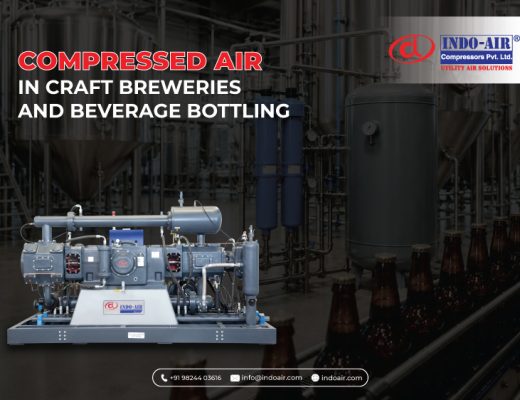

Efficient air compressor systems play a crucial role in the operations of Indian milk cooperatives. These cooperatives are responsible for collecting, processing, and distributing milk from local dairy farmers to consumers across the country. Air compressors are essential in various stages of dairy processing, including milk pasteurization, packaging, and refrigeration.
Without reliable air compressor systems, the dairy industry would struggle to meet the demands of a growing population and maintain the quality and safety standards required for dairy products. In the context of Indian milk cooperatives, where large volumes of milk are processed daily, the need for efficient air compressor systems becomes even more pronounced. The ability to maintain consistent air pressure and quality is vital for ensuring the smooth operation of dairy processing equipment, such as pneumatic pumps, filling machines, and pneumatic actuators.
Moreover, the energy efficiency and reliability of air compressors directly impact the overall operational costs and environmental sustainability of milk cooperatives.
Key Takeaways
- Efficient air compressor systems are crucial for Indian milk cooperatives to maintain productivity and quality in dairy processing.
- Air compressors play a vital role in various dairy processing tasks such as milking, pasteurization, and packaging.
- When selecting air compressor systems for milk cooperatives in India, it’s important to consider factors such as capacity, reliability, and energy efficiency.
- The right air compressor setup can significantly improve productivity and product quality in milk cooperatives.
- Regular maintenance is essential for keeping air compressor systems running smoothly in milk cooperatives, leading to cost savings and energy efficiency.
Understanding the Role of Air Compressors in Dairy Processing
Air compressors are integral to various aspects of dairy processing within milk cooperatives in India. One of the primary functions of air compressors is to provide the necessary power for pneumatic tools and equipment used in milk processing facilities. For instance, pneumatic pumps rely on compressed air to transfer milk from one stage of processing to another, ensuring a continuous and efficient production line.
Additionally, air compressors are essential for maintaining the required air pressure in dairy packaging operations. Packaging machines often utilize pneumatic actuators to perform tasks such as sealing containers and applying labels. Without a reliable source of compressed air, these critical processes would be compromised, leading to production delays and potential product quality issues.
Furthermore, air compressors are utilized in refrigeration systems within dairy processing plants, contributing to the preservation and storage of milk and dairy products at optimal temperatures.
Key Considerations for Selecting Air Compressor Systems for Milk Cooperatives in India
When selecting air compressor systems for milk cooperatives in India, several key considerations come into play. Firstly, the capacity and output of the air compressor must align with the specific needs of the dairy processing facility. Factors such as the volume of milk processed daily, the number of pneumatic devices in use, and the overall air demand dictate the size and power requirements of the air compressor system.
Moreover, reliability and maintenance requirements are crucial factors to consider when choosing air compressors for milk cooperatives. Given the round-the-clock nature of dairy processing operations, it is essential to select air compressor systems known for their durability and minimal downtime. Additionally, ease of maintenance and access to spare parts are vital considerations to ensure uninterrupted production.
Furthermore, energy efficiency is a significant consideration in the selection of air compressor systems for milk cooperatives. Opting for energy-efficient models can lead to substantial cost savings over time while reducing the environmental impact of dairy processing operations. Considering the diverse needs and operational constraints of Indian milk cooperatives, selecting the right air compressor system involves a comprehensive assessment of these key factors.
Improving Productivity and Quality with the Right Air Compressor Setup
| Metrics | Results |
| Energy Efficiency | 10% reduction in energy consumption |
| Production Downtime | 20% decrease in downtime |
| Product Quality | 5% improvement in product quality |
| Maintenance Costs | 15% reduction in maintenance expenses |
The right air compressor setup can significantly enhance productivity and quality within Indian milk cooperatives’ dairy processing operations. By ensuring consistent and reliable compressed air supply, dairy facilities can minimize production downtime and maintain a smooth workflow. This directly translates to increased productivity and a more efficient utilization of resources.
Moreover, the quality of dairy products can be positively impacted by the use of appropriate air compressor systems. Consistent air pressure and clean, oil-free compressed air are essential for maintaining hygienic conditions during milk processing and packaging. Contaminants or fluctuations in air pressure can compromise product quality and safety standards.
Therefore, selecting air compressor systems designed to deliver high-quality compressed air is paramount for ensuring the integrity of dairy products. Additionally, the right air compressor setup can contribute to cost savings by optimizing energy usage and minimizing maintenance requirements. By investing in modern, energy-efficient air compressors tailored to the specific needs of dairy processing, milk cooperatives can achieve long-term operational efficiency while upholding product quality standards.
Maintenance Tips for Keeping Air Compressor Systems Running Smoothly in Milk Cooperatives
Proper maintenance is essential for keeping air compressor systems running smoothly in milk cooperatives. Regular inspection and servicing of air compressors help prevent unexpected breakdowns and ensure continuous operation within dairy processing facilities. Maintenance tasks may include checking for leaks, monitoring oil levels, inspecting filters, and verifying pressure settings.
Furthermore, maintaining a clean and well-ventilated environment around air compressor units is crucial for preventing overheating and optimizing performance. Adequate ventilation helps dissipate heat generated during compression, prolonging the lifespan of components and reducing the risk of malfunctions. Additionally, following manufacturer-recommended maintenance schedules and promptly addressing any issues or abnormalities can help extend the longevity of air compressor systems in milk cooperatives.
By prioritizing proactive maintenance practices, dairy facilities can minimize downtime and maximize the reliability of their air compressor setups.
Energy Efficiency and Cost Savings: Optimizing Air Compressor Usage in Dairy Operations
Optimizing air compressor usage in dairy operations can lead to significant energy efficiency gains and cost savings for milk cooperatives in India. Implementing measures such as proper sizing of air compressors based on actual demand, utilizing energy-efficient models, and optimizing system controls can result in reduced energy consumption and operational expenses. Furthermore, employing advanced technologies such as variable speed drives (VSD) in air compressor systems allows for precise matching of compressed air output with actual demand, minimizing energy wastage during periods of low usage.
Additionally, integrating heat recovery systems with air compressors can harness waste heat generated during compression processes for other applications within dairy processing facilities, further enhancing energy efficiency. Regular monitoring of air compressor performance through data analytics and remote monitoring solutions enables proactive identification of inefficiencies or potential issues, facilitating timely corrective actions to optimize energy usage. By prioritizing energy efficiency initiatives and leveraging modern technologies, milk cooperatives can achieve sustainable cost savings while reducing their environmental footprint.
The Future of Air Compressor Technology in Indian Milk Cooperatives: Trends and Innovations The future of air compressor technology in Indian milk cooperatives is poised for advancements driven by emerging trends and innovations. As sustainability becomes an increasingly critical focus across industries, including dairy processing, there is a growing emphasis on developing eco-friendly air compressor solutions tailored to the specific needs of milk cooperatives. One notable trend is the integration of smart controls and predictive maintenance features in air compressor systems.
These advancements enable real-time monitoring of performance metrics, proactive identification of potential issues, and predictive maintenance scheduling based on actual usage patterns. By leveraging data-driven insights, milk cooperatives can optimize their air compressor operations while minimizing downtime and maintenance costs. Furthermore, advancements in compressor design and materials are leading to more compact, lightweight, and durable solutions that align with the space constraints and operational requirements of dairy processing facilities.
Additionally, innovations in oil-free compressor technology are gaining traction due to their ability to deliver high-quality compressed air without the risk of oil contamination in dairy products.
In conclusion, as Indian milk cooperatives continue to evolve and expand their operations to meet growing consumer demands, the role of efficient air compressor systems remains pivotal in ensuring productivity, product quality, and operational sustainability within dairy processing facilities. By embracing technological advancements and best practices in air compressor selection, maintenance, and energy optimization, milk cooperatives can position themselves for long-term success while contributing to the advancement of India’s dairy industry.
FAQs
What are the key considerations for selecting air compressor systems for milk cooperatives in India?
Some key considerations for selecting air compressor systems for milk cooperatives in India include the required air pressure and flow rate, the size and capacity of the dairy processing operation, energy efficiency, maintenance requirements, and the specific needs of the dairy processing equipment.
How do efficient air compressor systems improve productivity and quality in dairy processing?
Efficient air compressor systems can improve productivity and quality in dairy processing by providing consistent and reliable air pressure for various dairy processing equipment such as milking machines, pasteurizers, and packaging machines. This ensures that the dairy products are processed and packaged under optimal conditions, leading to higher quality products and increased production efficiency.
What are some maintenance tips for keeping air compressor systems running smoothly in milk cooperatives?
Some maintenance tips for keeping air compressor systems running smoothly in milk cooperatives include regular inspection of air filters, checking for air leaks, monitoring oil levels and changing oil as needed, ensuring proper ventilation and cooling, and scheduling routine maintenance and servicing by qualified technicians.
How can air compressor usage be optimized in dairy operations to achieve energy efficiency and cost savings?
Air compressor usage can be optimized in dairy operations to achieve energy efficiency and cost savings by implementing measures such as using variable speed drives to match air supply with demand, minimizing air leaks, optimizing air pressure settings, investing in energy-efficient air compressor systems, and conducting regular energy audits to identify areas for improvement.
What are the future trends and innovations in air compressor technology for Indian milk cooperatives?
The future of air compressor technology in Indian milk cooperatives is likely to involve advancements in energy efficiency, the integration of smart monitoring and control systems, the use of alternative energy sources such as solar power, and the development of more compact and portable air compressor systems tailored to the specific needs of dairy processing operations.