
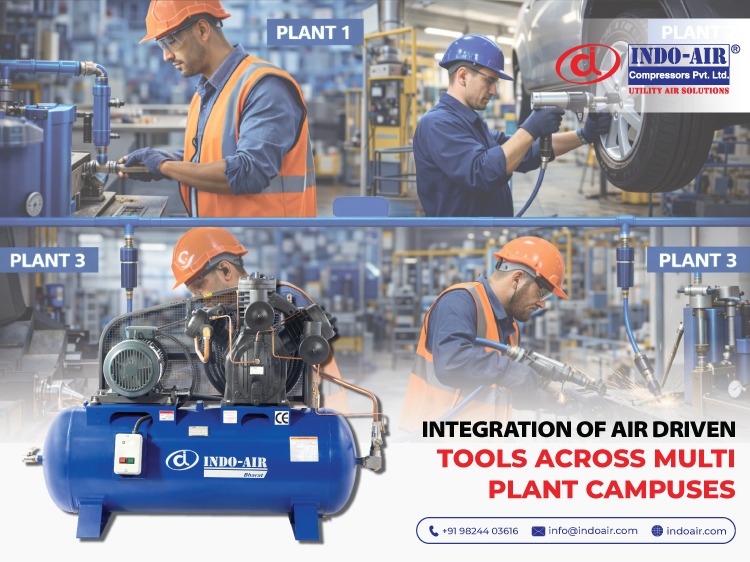
The contemporary manufacturing landscape is characterized by its sheer scale and the intricate dance of processes across various facilities. For organizations operating multi-plant campuses, the pursuit of operational excellence is a relentless one, demanding continuous innovation and optimization. A silent revolution that is gaining significant traction in this arena revolves around the strategic integration of air-driven tools. Far from being mere standalone implements, these tools, when approached with a holistic, integrated mindset, offer a potent pathway to streamlining operations, enhancing efficiency, and ultimately, transforming the entire production ecosystem.
Streamlining Operations with Integrated Air Driven Tools
The decentralized nature of multi-plant operations often breeds inconsistencies and inefficiencies. Different plants might employ varied tooling, leading to disparate maintenance schedules, inconsistent quality, and complex supply chain management for replacement parts. Introducing a standardized suite of air-driven tools across a campus can dramatically simplify these complexities.
The Power of Standardization
Imagine a scenario where every assembly line, regardless of its location within the campus, utilizes the same type of pneumatic wrench for a specific fastening task. This uniformity has profound ripple effects. Training becomes simplified, as operators can seamlessly transition between plants without needing to re-learn tool operation. This cross-plant familiarity reduces errors and accelerates onboarding for new employees, promoting a more agile workforce. Furthermore, the standardization of tool types facilitates bulk purchasing, yielding significant cost savings on initial acquisition and subsequent replacement parts. This streamlined procurement process minimizes inventory holding costs and reduces the risk of stockouts for critical tools.
Centralized Maintenance and Support
When diverse tool arsenals are scattered across multiple facilities, maintenance can become a logistical nightmare. Each plant may require specialized technicians or different spare parts, leading to extended downtime and increased operational costs. An integrated air-driven tool strategy allows for the centralization of maintenance protocols and, in many cases, the physical consolidation of maintenance services. Expert technicians, well-versed in the specifics of the standardized pneumatic tools, can efficiently service all plants, reducing repair times and ensuring optimal tool performance. This centralized approach also enables predictive maintenance strategies, as data on tool usage and wear can be aggregated and analyzed to anticipate potential failures before they occur, further minimizing unscheduled downtime.
Enhancing Workflow and Productivity
Beyond the direct benefits of standardization and maintenance, integrated air-driven tools contribute to a more cohesive and productive workflow. Their ergonomic design and consistent performance across all facilities minimize operator fatigue and reduce the likelihood of repetitive strain injuries.
Enhancing Efficiency with Air Driven Tools in Multi Plant Campuses
The adage “time is money” rings particularly true in multi-plant manufacturing environments. Every second saved, every error prevented, contributes directly to the bottom line. Air-driven tools, by their inherent design and operational characteristics, offer several avenues for significant efficiency gains.
Consistent Performance and Precision
Pneumatic tools are renowned for their consistent power output and precision. Unlike electric tools, which can be susceptible to voltage fluctuations, air-driven tools deliver reliable torque and speed, ensuring consistent quality in assembly and manufacturing processes. This unwavering performance across different plant locations is crucial for maintaining uniform product quality and reducing defect rates. In applications requiring precise torque control, such as engine assembly or sensitive electronics manufacturing, pneumatic tools excel, providing the accuracy needed to meet stringent quality standards.
Reduced Downtime and Faster Changeovers
The simplicity of pneumatic tool design often translates to higher reliability and fewer component failures compared to their electric counterparts. This inherent robustness contributes to reduced downtime, a critical factor in maintaining continuous production flow. Furthermore, the ease with which air tools can be interchanged due to standardized connectors and fittings facilitates faster changeovers between different tasks or product lines. This agility allows manufacturing plants to respond more rapidly to changes in demand or production schedules, optimizing overall output.
Improved Safety and Ergonomics
Safety is paramount in any manufacturing environment. Air-driven tools, by their very nature, eliminate several hazards associated with electric tools. There is no risk of electric shock, and their operation often generates less heat, reducing the risk of burns. Many pneumatic tools are also lighter and more ergonomically designed, which significantly reduces operator fatigue and the incidence of musculoskeletal disorders. This focus on operator well-being not only improves morale but also leads to increased productivity and fewer lost workdays due to injuries.
Optimizing Production with Centralized Air Driven Tools
The true power of integrating air-driven tools emerges when an organization adopts a centralized approach to their deployment and management. This goes beyond simply using the same tools; it involves strategic planning and oversight from a central authority.
Centralized Tool Management Systems
Implementing a centralized tool management system allows for comprehensive oversight of all air-driven tools across the entire campus. This system can track tool usage, maintenance history, calibration schedules, and even operator assignments. Such data provides invaluable insights into tool performance, identifying underutilized assets or areas where training might be required. By leveraging this information, manufacturing leaders can make data-driven decisions to optimize tool allocation, ensuring the right tools are always available where and when they are needed most.
Predictive Maintenance and Resource Allocation
A centralized system dramatically enhances the effectiveness of predictive maintenance programs. By collecting and analyzing performance data from all tools, patterns indicating potential failures can be identified proactively. This allows for scheduled maintenance and replacement, preventing costly unscheduled downtime. Furthermore, centralized management enables intelligent resource allocation. If one plant experiences a surge in production that requires a specific set of tools, the centralized system can identify available tools in other plants and facilitate their temporary transfer, optimizing overall resource utilization across the campus.
Cost Control and Inventory Optimization
Centralizing the management of air-driven tools provides an unparalleled opportunity for cost control. By having a complete overview of all tools, unnecessary purchases can be eliminated, and inventory levels for spare parts can be optimized. Bulk purchasing, facilitated by a comprehensive understanding of campus-wide needs, leads to significant discounts. Moreover, the ability to track tool lifespan and repair history enables informed decisions about repair versus replacement, maximizing the return on investment for each tool.
Improving Sustainability with Compressed Air Driven Tools
| Metrics | Data |
| Energy Savings | Up to 50% reduction in energy consumption compared to traditional tools |
| Carbon Emissions | Significant reduction in carbon emissions due to lower energy usage |
| Noise Levels | Compressed air tools produce lower noise levels compared to electric tools |
| Maintenance Costs | Reduced maintenance costs due to simpler design and fewer moving parts |
| Tool Longevity | Compressed air tools are known for their durability and longer lifespan |
In an era of increasing environmental consciousness, sustainability is no longer a peripheral concern but a core strategic imperative for modern manufacturers. Compressed air driven tools, when thoughtfully implemented, offer compelling advantages in this domain.
Energy Efficiency Through Optimized Systems
While compressors consume electricity to generate compressed air, the overall energy footprint can be significantly reduced through optimized air systems. This includes leak detection and repair, which can account for a substantial percentage of energy waste in poorly maintained systems. Implementing smart compressor control systems, which adjust output based on demand, further minimizes energy consumption. Moreover, modern pneumatic tools are designed for greater efficiency, requiring less air to perform the same amount of work, thereby reducing the load on the compressor system.
Reduced Waste and Material Consumption
The longevity and reparability of air-driven tools contribute to reduced waste. Unlike many electric tools that are often discarded when a single component fails, pneumatic tools can often be repaired or refurbished, extending their lifespan and lessening their environmental impact. Furthermore, the precision offered by air tools minimizes rework and material scrap, further enhancing resource efficiency and reducing waste.
Environmentally Friendly Operation
Many pneumatic tools are inherently more environmentally friendly regarding their operation. They do not contain batteries that require disposal, nor do they often rely on hazardous chemicals or lubricants that can pose environmental risks. While the proper management of compressor condensate is important, the overall environmental impact of a well-maintained compressed air system is generally lower than some alternative tooling solutions.
Implementing Air Driven Tools Across Multi Plant Campuses
The successful implementation of an integrated air-driven tool strategy across a multi-plant campus requires a structured and methodical approach, encompassing planning, communication, and continuous improvement.
Phased Rollout and Pilot Programs
Attempting a simultaneous, campus-wide overhaul of tooling can be disruptive and overwhelming. A more effective strategy involves a phased rollout, often beginning with a pilot program at a single plant or even a specific production line. This pilot allows the organization to identify and address potential challenges, refine processes, and gather feedback before scaling the implementation to other facilities. Lessons learned from the pilot program can be incorporated into the broader deployment, ensuring a smoother transition.
Comprehensive Training and Support
The success of any new technology or system hinges on user adoption. Comprehensive training programs are essential to ensure that all operators, maintenance personnel, and supervisors are proficient in using and maintaining the new air-driven tools. Training should cover not only operational procedures but also safety protocols and basic troubleshooting. Ongoing support, including readily available technical assistance and access to spare parts, is crucial for sustained success.
Continuous Monitoring and Optimization
Implementation is not a static endpoint but an ongoing process of monitoring and optimization. Regular audits of tool performance, air system efficiency, and operator feedback are vital for identifying areas for improvement. Data analytics can be leveraged to track key performance indicators (KPIs) such as tool uptime, energy consumption, and maintenance costs. This continuous evaluation allows organizations to fine-tune their integrated air-driven tool strategy, ensuring it continues to yield maximum benefits and adapt to evolving production needs.
Maximizing Productivity with Integrated Air Driven Tools
The ultimate objective of any operational enhancement is to boost productivity. Integrated air-driven tools, through their combined advantages, act as a powerful catalyst for achieving higher levels of output and efficiency.
Reduced Production Bottlenecks
By ensuring consistent tool availability, reliable performance, and simplified maintenance, integrated air-driven tools directly address common causes of production bottlenecks. Less downtime due to tool failure or unavailability means a smoother, uninterrupted flow of goods through the production process. The ability to quickly adapt to changing tasks through easy tool interchangeability also contributes to a more fluid and less constrained production line.
Improved Quality Control and Rework Reduction
The precision and consistent power delivery of pneumatic tools play a critical role in enhancing product quality. Accurate fastening, consistent surface finishing, and reliable cutting minimize defects and reduce the need for costly rework. This not only saves time and resources but also strengthens the brand’s reputation for quality. When errors are minimized at the source, the entire quality control process becomes more efficient.
Enhanced Employee Morale and Engagement
Investing in high-quality, ergonomically designed air-driven tools demonstrates a commitment to employee well-being. Tools that are easier to use, safer, and perform consistently reduce frustration and physical strain, leading to higher job satisfaction and improved morale. Engaged employees are more productive, more attentive to detail, and more likely to contribute to continuous improvement initiatives, creating a virtuous cycle of positive impact on productivity.
FAQs
What are air driven tools and how are they used in multi-plant campuses?
Air driven tools are powered by compressed air and are commonly used in industrial settings for tasks such as drilling, grinding, and assembly. In multi-plant campuses, these tools can be integrated to streamline operations, enhance efficiency, and optimize production.
What are the advantages of integrating air driven tools across multi-plant campuses?
Integrating air driven tools across multi-plant campuses can lead to improved sustainability, increased productivity, and reduced operational costs. These tools can also centralize operations, making it easier to manage and maintain equipment.
How do air driven tools contribute to streamlining operations in multi-plant campuses?
Air driven tools can streamline operations in multi-plant campuses by providing a centralized and consistent source of power for various tasks. This can lead to standardized processes, reduced downtime, and improved overall efficiency.
What are the key considerations for implementing air driven tools across multi-plant campuses?
When implementing air driven tools across multi-plant campuses, key considerations include assessing the specific needs of each plant, ensuring proper maintenance and training, and evaluating the overall impact on production and sustainability.
How can air driven tools enhance sustainability and efficiency in multi-plant campus operations?
Air driven tools can enhance sustainability and efficiency in multi-plant campus operations by reducing energy consumption, minimizing waste, and improving overall resource utilization. This can contribute to a more environmentally friendly and cost-effective operation.